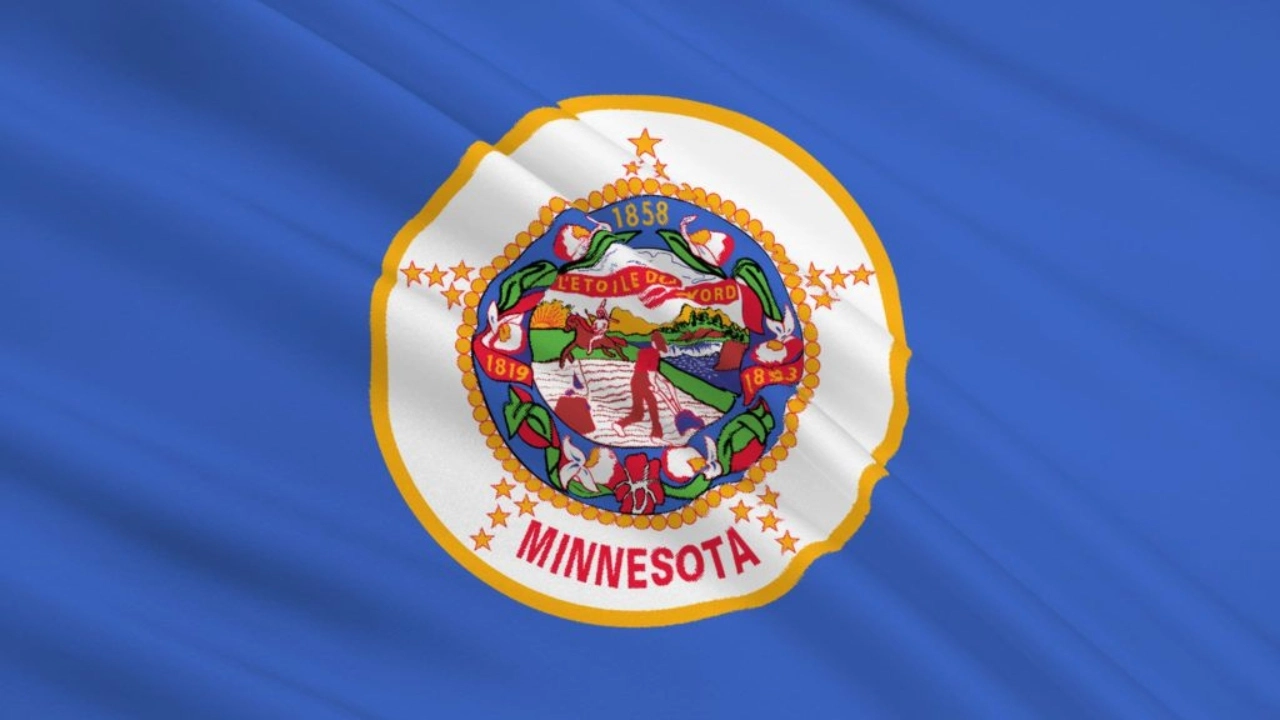
Minnesota will combine its separate medical and adult-use cannabis supply chains under the state’s 2026 Omnibus Cannabis Bill, signed into law Tuesday by Gov. Tim Walz.
The law also replaces the current medical combination license with eight “macrobusiness” licenses, which allow an operator to produce and sell both medical and recreational cannabis, according to MPR News.
Operators with medical endorsements can run one operation across both channels. For the state’s existing medical businesses, that should reduce duplication and costs.

- Allows hemp operators to hold marijuana licenses without giving up their existing hemp businesses
- Legalizes a “ratio hemp-infused cannabis product” category, capped at no more than 10 milligrams of THC per serving or 200 milligrams per package for edibles and 20 milligrams of THC per beverage container, plus 100 milligrams of a secondary cannabinoid like CBD or CBN.
- Opens marijuana social equity to outside investors, with individuals allowed to have up to four marijuana social equity permits each with up to 33% of ownership.
How will the changes help cannabis operators?
The changes are aimed at easing operational headaches, expanding the pipeline for medical cannabis products and giving hemp companies a path into the regulated cannabis market as a potential federal crackdown on hemp-derived THC products, set to lose their Farm Bill protections, looms in November.
The bill “tweak(s) what the (cannabis) industry wants tweaked,” state lawmakers said in an earlier press release.
Most of the law takes effect Aug. 1. The new macrobusiness license and related licensing changes will be implemented Jan. 1.
According to an analysis from law firm Foley Hoag, the supply-chain change is one of the biggest for operators already in the market. Until now, businesses serving both medical patients and adult-use consumers had to keep separate cultivation, manufacturing and inventory systems, including separate instances of Minnesota’s Metrc tracking platform.
Minnesota launched non-tribal adult-use cannabis sales in September. Through the end of April, the most recent state data available, adult-use sales in 2026 stood at $60 million. The state recorded $36.79 million in medical sales in that same time frame.
Subscribe to the MJBiz Factbook
Exclusive industry data and analysis to help you make informed business decisions and avoid costly missteps. All the facts, none of the hype.
What you will get:
- Monthly and quarterly updates, with new data & insights
- Financial forecasts + capital investment trends
- State-by-state guide to regulations, taxes & market opportunities
- Annual survey of cannabis businesses
- Consumer insights
- And more!
What are the new cannabis canopy limits?
However, Minnesota’s new cannabis business framework comes with tighter size limits.
The maximum indoor canopy for a macrobusiness will be 38,000 square feet, down from 90,000 square feet under the current combination license. Operators can add some canopy through renewals over time.
At the same time, the law tries to keep medical access front and center.
Macrobusiness must hold at least two medical endorsements and operate stores in areas the state identifies as having high medical need, according to Foley Hoag.