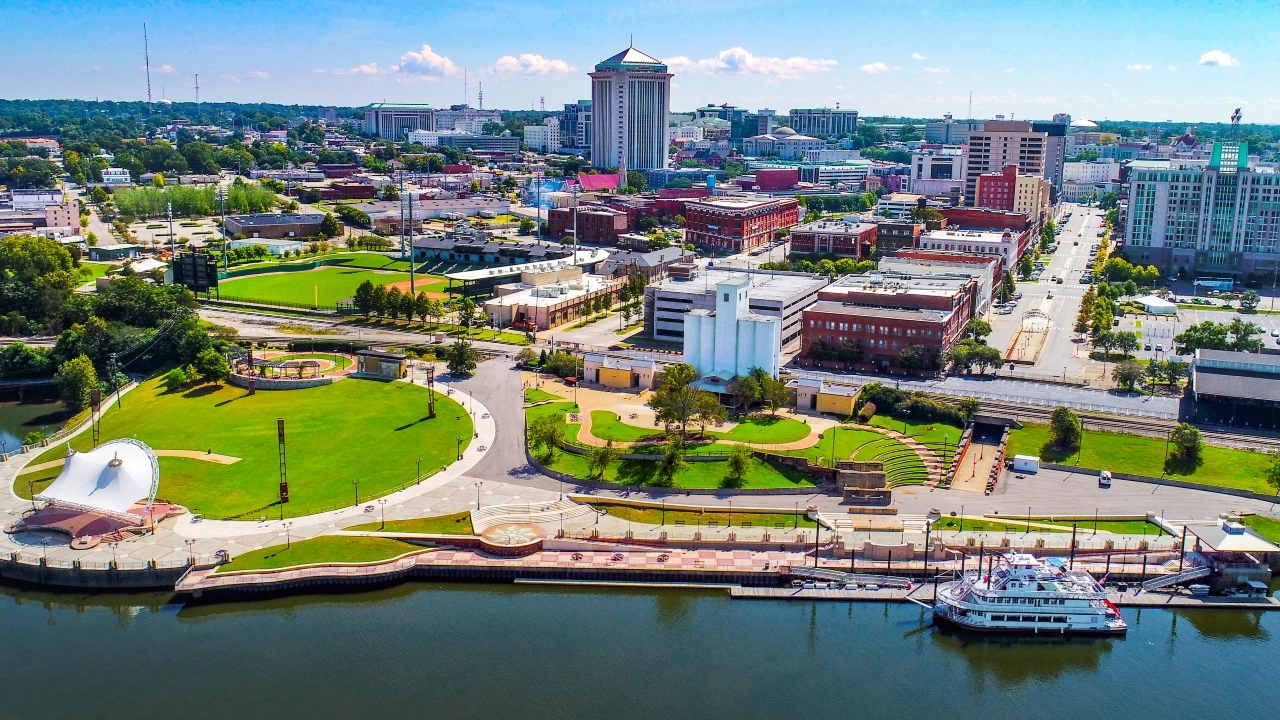
Alabama launched its medical cannabis program Tuesday, with the first state-sanctioned sale taking place at Callie’s Apothecary in Montgomery.
For now, it’s the only dispensary in the state where patients can legally purchase medical cannabis, but that’s set to change, according to the Alabama Reflector.
Once the program is fully operational, 12 dispensaries operated by four companies are expected to open across the state.
Three of those companies – CCS of Alabama, GP6 Wellness and RJK Holdings – have received licenses and are expected to open their dispensaries this summer, Alabama Medical Cannabis Commission Director John McMillan told the Reflector.

A fourth license remains tied up in litigation but is likely to be awarded to Yellowhammer Medical Dispensaries.
Who can participate in the medical marijuana program?
To access the program, patients must have a qualifying condition and a recommendation from a physician registered with the Alabama Medical Cannabis Commission.
There are more than 300 patients on the registry and 52 certified physicians authorized to recommend cannabis to patients, the Reflector reported.
It’s a standard gating structure similar to what other states require, but physician registration is still relatively limited. That could lead to access bottlenecks that slow early patient enrollment.
Alabama isn’t a small market. It’s the 24th-most-populous state, with about 5 million residents. If patient adoption follows the pattern seen in other newly launched medical cannabis markets, enrollment could climb quickly.
Subscribe to the MJBiz Factbook
Exclusive industry data and analysis to help you make informed business decisions and avoid costly missteps. All the facts, none of the hype.
What you will get:
- Monthly and quarterly updates, with new data & insights
- Financial forecasts + capital investment trends
- State-by-state guide to regulations, taxes & market opportunities
- Annual survey of cannabis businesses
- Consumer insights
- And more!
Why did it take so long to launch?
The launch marks the culmination of years of legislative and regulatory hurdles since MMJ was legalized in 2021.
In the years since medical cannabis was legalized, multiple licensing rounds were revoked or canceled amid accusations of bias and impropriety, forcing regulators to abandon plans to launch sales in 2024.
The findings of an audit released in March reported that Alabama’s Medical Cannabis Commission failed to follow state procedure and open-meetings laws, overpaid an outside law firm by $204,000 and didn’t maintain records properly.