Cannabis retailers operate in an environment where small operational issues can quickly become expensive ones.
Inventory discrepancies, shrink, inconsistent store execution and time-consuming audits all compete for the attention of teams already managing tight margins and complex compliance requirements.
The challenge is not necessarily a lack of data. Most operators already have cameras, point-of-sale information, inventory systems and established operating procedures. The harder problem is turning all of that information into timely action.
That is where a new category of artificial intelligence is beginning to attract attention – agentic AI.

How agentic AI is helping dispensary retailers reduce loss
Rather than simply helping a user search for information or review what happened after the fact, AI Agents are designed to continuously monitor video and data, identify conditions that require attention and help teams respond sooner.
For multi-location dispensary operators, the potential is particularly relevant. Store leaders cannot personally review every location, transaction or operational exception. AI-assisted monitoring could help organizations focus human attention on the moments that matter most, while reducing the amount of time spent manually reviewing video and conducting routine operational checks.
Join Solink’s Agentic Innovation Summit
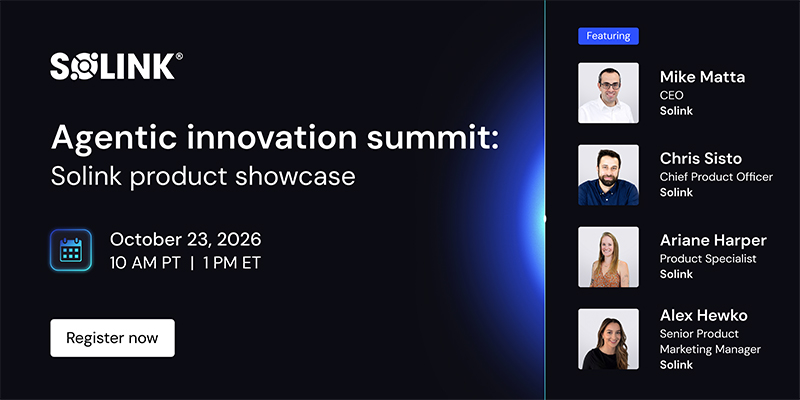
On October 23, 2026, at 10 a.m. PT / 1 p.m. ET, Solink is hosting its Agentic Innovation Summit: How to Reduce Loss and Increase Sales with AI Agents.
The virtual event will explore how AI Agents can be applied to use cases ranging from flagging discount abuse to operational audits, along with examples of how organizations are beginning to use the technology today.
The discussion will feature Solink CEO Mike Matta and Chief Product Officer Chris Sisto, with a focus on what agentic AI could mean for teams trying to improve visibility without adding more manual oversight.
For cannabis operators evaluating the next generation of AI, the conversation is worth following. The question is shifting from whether AI can surface useful information to whether it can help teams consistently turn that information into action.