
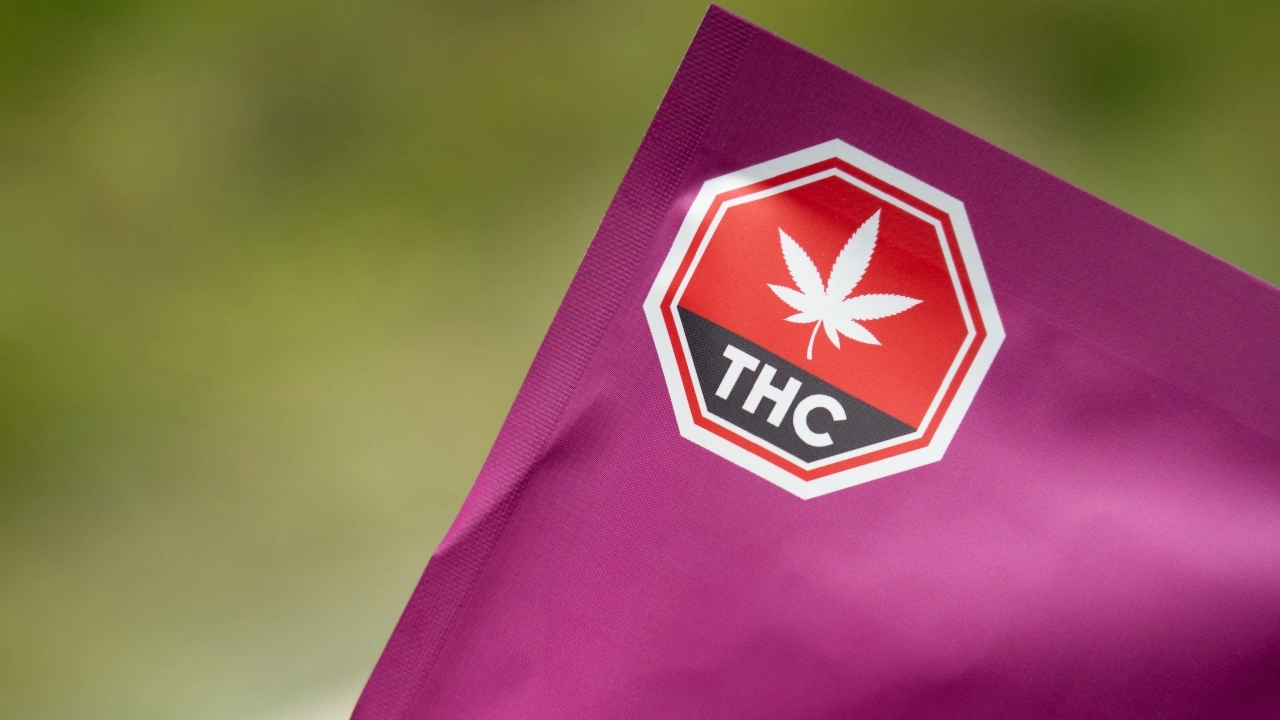
Oklahoma regulators began enforcing new packaging and labeling rules for medical marijuana edibles on Nov. 1, leaving some processors facing higher compliance costs and uncertainty over whether their packaging meets state requirements.
House Bill 4454, signed into law by Gov. Kevin Stitt in May, prohibits packaging that uses cartoons, images of animals or food, animated characters or other imagery that could appeal to children.
Labels must state the amount of THC in each serving and the number of servings in each package.
Under guidance issued by the Oklahoma Medical Marijuana Authority, products produced, processed, packaged or transferred to dispensaries on or after Nov. 1 must comply with the new requirements. Dispensaries may continue selling existing inventory that complied with previous labeling rules.

How will Oklahoma enforce the new rules?
OMMA field staff flag potential violations during inspections, according to KWTV. Their findings are submitted to the agency’s central office and then forwarded to the legal department for a final determination.
Under the state’s enforcement framework, processors have one month to correct cited deficiencies before facing a $500 fine per deficiency.

Licensees receive notice of alleged violations and an opportunity to respond. They can also contest enforcement decisions before an administrative law judge.
“If OMMA is going to err in the implementation of this bill, we’re definitely going to err on the side of protecting children,” Brown told KWTV.
How are the new rules affecting medical marijuana processors?
Some processors say the law is vague and compliance costs are rising.
John Koumbis, owner and operator of JKJ Processing, said the law doesn’t give businesses enough direction.
“We don’t know what they expect from us,” Koumbis told KWTV.
JKJ started changing its packaging 45 to 60 days before the law took effect, removing cherry images from gummy packaging and toning down the colors, according to KWTV.
Attorneys and compliance staff approved the new design, but Koumbis said inspectors could still find it noncompliant.
The changes have significantly increased packaging costs, according to Koumbis. Preprinted bags cost about 13 cents each. Because new bags take six to eight weeks to arrive, JKJ has been printing labels separately and paying staff to apply them, pushing the cost to about 45 to 55 cents per bag.
The company is trying to absorb the added expense rather than pass it on to patients.
What guidance is available to medical marijuana businesses?
Brown told KWTV the Legislature did not authorize OMMA to create additional administrative rules for the packaging and labeling requirements. He encouraged businesses uncertain about their designs to opt for plainer packaging.
Although OMMA has issued guidance on compliance requirements, processors such as JKJ say they still lack clarity on which designs regulators will consider acceptable.
Koumbis said he would support a process allowing businesses to submit packaging designs to OMMA for approval before bringing products to market.
Brown said the law is intended to reinforce that medical marijuana is medicine and should be packaged as such.
“Lock up your products. Keep them inaccessible to any children, if you have children in the house, and please do not leave them in public,” Brown told KWTV.