The “loophole” in the 2018 Farm Bill that unleashed a nation flood of intoxicating hemp-derived THC products narrowed Thursday when an ambiguous but small amount became federally prohibited Schedule 1 drugs.
Dec. 11 is when federal law bans most of the rest of the estimated $38 billion hemp cannabinoid market – unless Congress and President Donald Trump act.
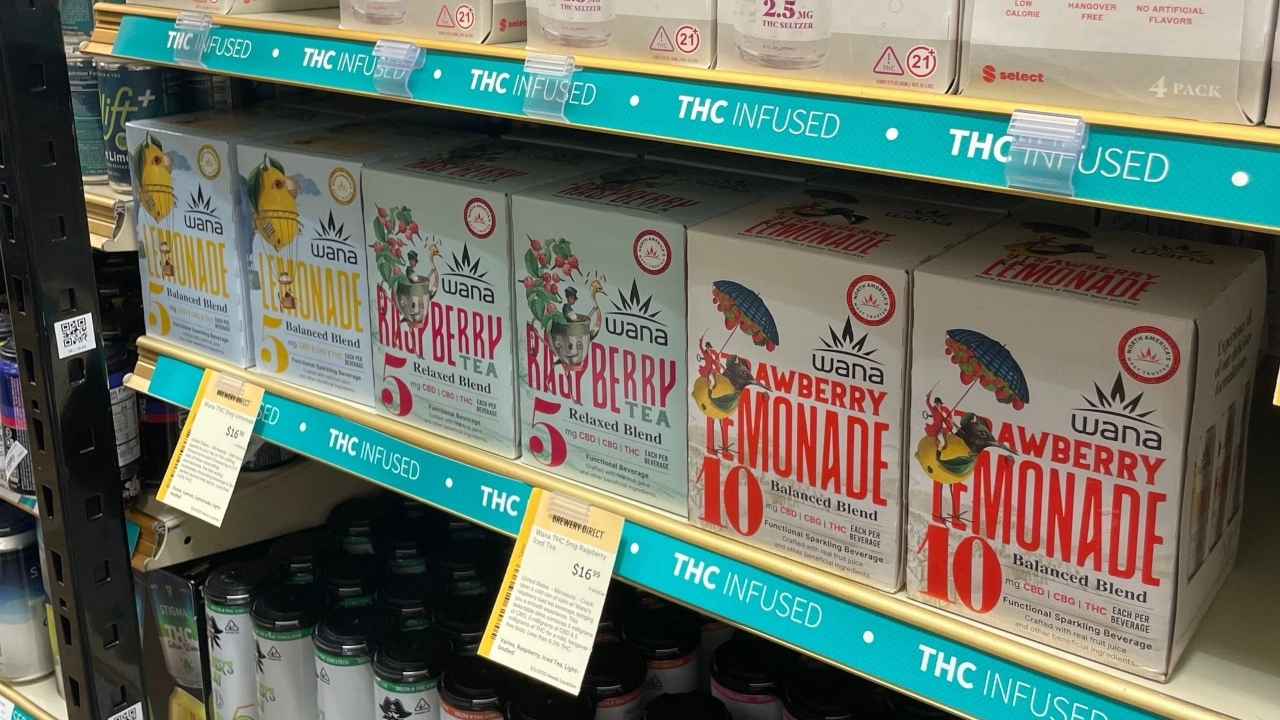
Begging for a new line to be drawn between a regulated hemp sector and the mysterious gummies and vapes seen at gas stations and smoke shops are some new allies like major alcohol retailers. They want a carve out for popular hemp THC beverages – and point out that there is no public outcry for a hemp crackdown.
More than 300,000 people have contacted Congress and asked for hemp THC products to remain legal, alcohol retailer Total Wine & Spirits claimed Wednesday. And according to a new national poll the retailer conducted, 85% of more than 2,000 voters said they oppose a ban.

“America has a safe system for wine, spirits, and beer,” Total Wine & More CEO Ryan Ross said in a statement.
“It’s worked for nearly 100 years. It’s time to use it for low-dose hemp-derived THC-infused beverages.”
Cannabis industry voices are demanding the ban stay, and many hemp products be reclassified “marijuana” – and therefore saleable only in state-regulated cannabis stores.I
But more pressing than a federal ban, difficult or impossible to enforce, are the state authorities already launching local crackdowns. On Thursday, Illinois and Missouri joined roughly 16 other states that limit sale of hemp products to licensed marijuana stores.
Have states already banned hemp THC ahead of Farm Bill changes?
As the MJBiz Factbook quarterly update noted, nearly all states have tightened enforcement around hemp cannabinoid products. New THC limits as well as outright blanket bans or restrictions on delta-8 THC and other synthetically derived analogues have already gone into effect.
Endangered hemp operators are fighting back in the courts with some limited success.
Subscribe to the MJBiz Factbook
Exclusive industry data and analysis to help you make informed business decisions and avoid costly missteps. All the facts, none of the hype.
What you will get:
- Monthly and quarterly updates, with new data & insights
- Financial forecasts + capital investment trends
- State-by-state guide to regulations, taxes & market opportunities
- Annual survey of cannabis businesses
- Consumer insights
- And more!
In Illinois, 250 hemp companies are for now exempt from a state ban that took effect Nov. 12.
Next week, a federal judge will hear a challenge to the Illinois Hemp Act alleging constitutional violations of the federal Commerce Clause for restricting interstate trade – the interstate trade that Congress, for now, is banning.
What hemp products are now illegal and no longer Farm Bill-compliant?
As noted by the American Trade Association for Cannabis and Hemp, a regulated marijuana lobby, Thursday’s federal law change bans:
- Hemp THC products “with cannabinoids that the cannabis cannot naturally produce, such as fully synthetic cannabinoids.”
What cannabinoids can the cannabis plant naturally produce?
The current partial ban does not ban delta-8 THC, which the cannabis plant does naturally produce in limited quantities.
The U.S. Food and Drug Administration is supposed to publish a list of naturally produced cannabinoids but has not yet done so.
What hemp products are still legal until the Dec. 11 federal ban?
As far as federal law goes, hemp is still legal to ship across state lines. And the restrictions on tax deductions under Internal Revenue Service Code Section 280E do not apply to.
Starting Dec. 11:
- Hemp is defined as cannabis with a total THC amount, including THCA, of 0.3% or less on a dry-weight basis.
- Products with more than 0.4 milligrams of THC “per container” are considered “marijuana.”
- Online sales become illegal.
Are hemp companies winning in court?
In Illinois, a federal judge will hear arguments for the state ban to be struck down next week after the Illinois Healthy Alternatives Association, which represents roughly 250 hemp businesses, filed a Nov. 6 lawsuit.
Hearings before U.S. District Court for the Northern District of Illinois Judge Martha Pacold are scheduled for Nov. 19.
Other lawsuits challenging all or part of state hemp THC bans are pending in:
- Ohio
- Texas
- Virginia