This is part of a regular series of MJBizDaily interviews with major THC industry players. To be considered for an interview, contact editorial@mjbizdaily.com.
Minnesota-based multistate cannabis operator Vireo Growth wants each of its core markets – Colorado, Nevada and Florida – to generate more than $100 million in revenue, so it’s buying marijuana businesses that can help it reach that goal.
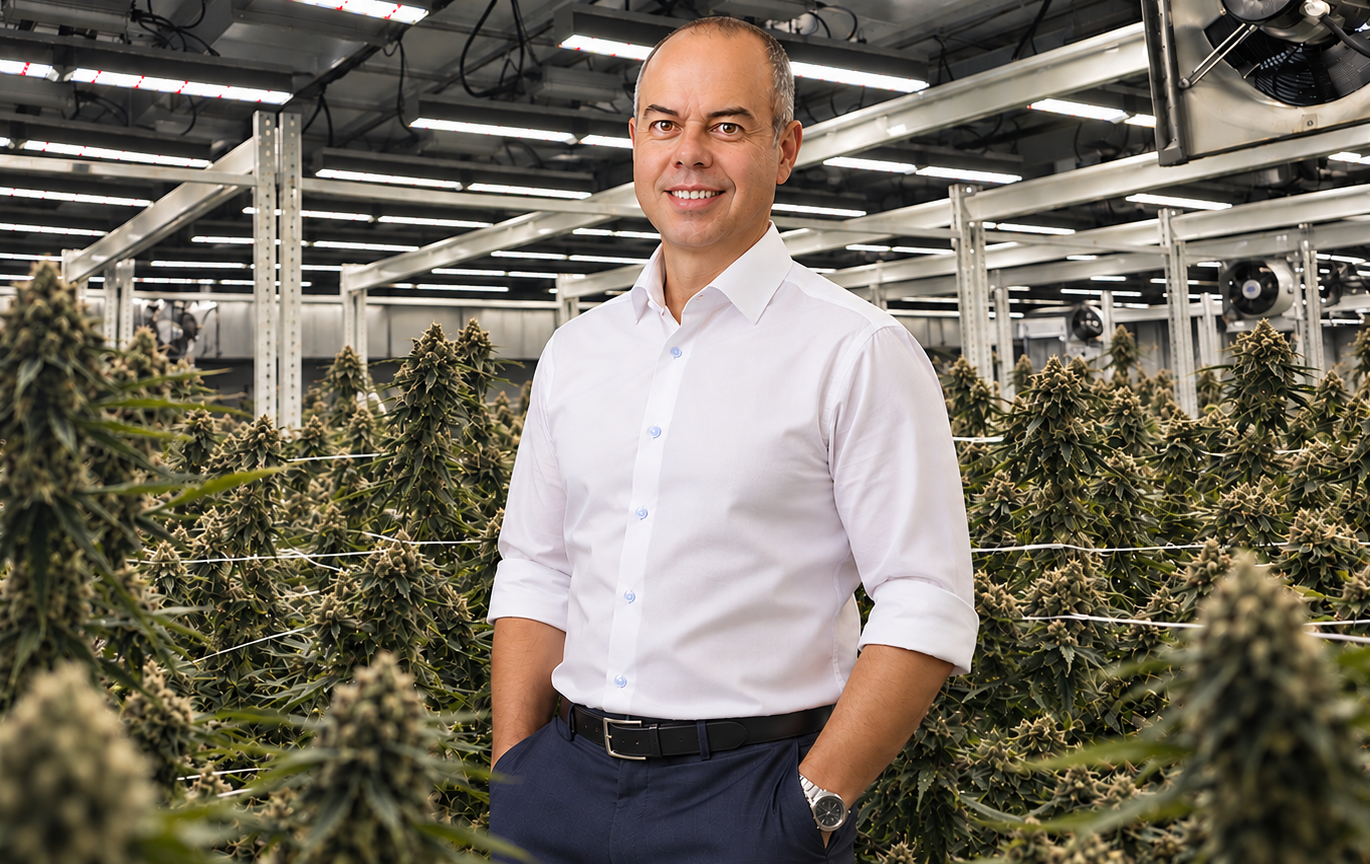
CEO John Mazarakis said the company’s strategy is to build market density through acquisitions and drive organic growth once acquired operators are freed from debt and corporate overhead.
“It comes down to winning locally and getting to a meaningful scale,” Mazarakis said. “At $100 million-plus, you can support the people, infrastructure and capabilities required to compete at a very high level.”

What does Vireo look for in an acquisition target?
Although Vireo has closed or announced eight deals in a short period, Mazarakis said the company doesn’t set transaction-count goals. Instead, it evaluates whether each deal fits its strategy, creates value and brings a strong team – and whether Vireo has the infrastructure to support it.
“Each transaction should go deeper in the market and make the overall Vireo platform stronger,” he said.
Colorado illustrates that strategy in practice. Rather than assemble a scattered collection of stores, Vireo acquired four retail operators.
“We didn’t just acquire some assets,” said Mazarakis, a speaker at MJBizCon on Dec. 1-4 at the Las Vegas Convention Center. “There was a clear market-share advantage to exceed that $100 million goal.”
Nevada follows a similar pattern.
Vireo entered the state through its acquisition of Deep Roots Harvest, one of its first three acquisitions. It later added C21, a profitable business Mazarakis described as “remarkably complementary” to Deep Roots.
The pending Planet 13 deal is expected to add another distinct piece to the Nevada platform.
Mazarakis said Vireo’s acquisition strategy also combines cannabis operators with ancillary businesses in delivery, technology and agribusiness.
“Scale by itself isn’t particularly interesting,” he said. “What matters is what that scale allows you to do.”
How does Vireo benefit from its acquisitions?
Acquisitions build the foundation, but Mazarakis said organic growth is what Vireo is really buying.
Many acquired businesses were held back by their balance sheets rather than their operations, he said. Once Vireo removes the debt overhang and, in some cases, public-company overhead, it can reinvest in those operators’ growth.
Nevada offers an example.
In the second quarter of 2026, Vireo’s Nevada business grew 14% year over year, even as the state’s overall cannabis market declined, Mazarakis said.
The $100 million target isn’t the ultimate objective, but Mazarakis said it marks a turning point.
“It’s where things get interesting,” he said.
At that level, he said, a market platform gains three advantages: operating leverage, purchasing power and predictable cash flow.
“The broader Vireo platform can then add capital, procurement, technology, data and other resources that make those local operators’ businesses even stronger,” he said.
How does Vireo decide what stays and what goes in an acquisition?
Scaling to that level across multiple states raises a question: How can Vireo grow without burdening successful operators with corporate processes?
Mazarakis said Vireo addresses that challenge by deciding what stays local and what gets shared.
“We want the people closest to the customer making the decisions that require local market knowledge,” he said. “We’re not trying to replace successful operators with a corporate playbook.”
However, he said, “being decentralized doesn’t mean being disconnected.”
The shared side of the platform includes procurement, data and analytics, training, technology and operating intelligence.
“We’re even pushing common KPIs and analytics down to the store level, so local managers have better information to make decisions,” Mazarakis said.
What does an agribusiness do for Vireo?
Vireo’s agribusiness unit is part of what Mazarakis calls a “cannabis first but not cannabis only” strategy. The business must succeed on its own, serving traditional agriculture as well as cannabis in a fragmented market.
It also supports the $100 million goal through procurement and access to capital.
“Procurement has already been an important part of our integration strategy, and greater scale can improve purchasing power, cost, reliability and ultimately margins,” Mazarakis said.
The company’s agribusiness assets helped it secure a new asset-based lending facility at what Mazarakis called a market-leading rate. In an industry where access to affordable capital is limited, that financing gives Vireo more flexibility to fund acquisitions and support acquired operators.
“We believe we are building something unique in the cannabis industry with the ancillary agribusiness, and we are also creating a capital-efficient platform that will be difficult for others to reproduce,” he said.

Will Vireo continue its acquisition spree?
Mazarakis said faster integration makes Vireo’s market-by-market growth strategy more realistic. The company’s first transactions took up to two months to integrate the acquired businesses’ financial systems into its platform.
With the recent PharmaCann and C21 deals, however, the acquired businesses’ financials were on Vireo’s system by the end of closing day.
The company has no plans to slow its acquisition strategy. Strong operators remain constrained by their balance sheets, and valuations remain attractive.
“We intend to remain disciplined,” Mazarakis said. “But we also intend to take advantage of the opportunity in front of us.”
Mazarakis will discuss lessons from cannabis M&A transactions during the “Cannabis Exits & Liquidity: Case Studies” panel at MJBizCon, Dec. 1-4 in Las Vegas. The session will explore deal valuations, structures, scale and synergies. Register for MJBizCon here.
Margaret Jackson can be reached at margaret.jackson@mjbizdaily.com.