
Key points:
- Endovia Health Sciences is pursuing FDA approval for CannEpil, a pharmaceutical-grade drug containing CBD and THC isolates in a 20-to-1 ratio, to treat canine cancer-related pain.
- Veterinary pain management is expected to be a $3.8 billion market by 2030.
- Endovia is using the veterinary market as its first step toward pursuing human applications for CannEpil.
Endovia Health Sciences is betting that dogs offer a potentially faster route to U.S. Food and Drug Administration approval for a new cannabinoid-based drug.
The Fort Lauderdale, Florida-based company, formerly beverage company Splash Beverage Group, pivoted into cannabinoid pharmaceuticals and wellness this year and has partnered with Lupvindol Biosciences to advance CannEpil through the FDA’s Center for Veterinary Medicine.

CannEpil, a formulation combining CBD and THC isolates in a 20-to-1 ratio, is being developed for cancer-related pain and chronic pain management in dogs.
The wager targets a large market. The global veterinary pain-management market was valued at about $2.6 billion in 2024 and is projected to reach $3.8 billion by 2030, according to Grand View Research.
For cannabis businesses, Endovia’s strategy could offer a test case for expanding cannabinoid products beyond state-regulated markets and into the federally regulated pharmaceutical industry, starting with animal health and potentially expanding into human medicine.
About 6 million dogs are diagnosed with cancer in the United States each year, according to the National Cancer Institute. One in 4 dogs will develop cancer in their lifetimes, the Veterinary Cancer Society estimates.
And canines’ human friends are forking out money to keep their pets comfortable.
Chronic conditions such as cancer represent a significant share of that demand. And there are few well-validated pharmaceutical treatments currently available, Endovia interim CEO Brady Cobb told MJBizDaily in a recent interview.
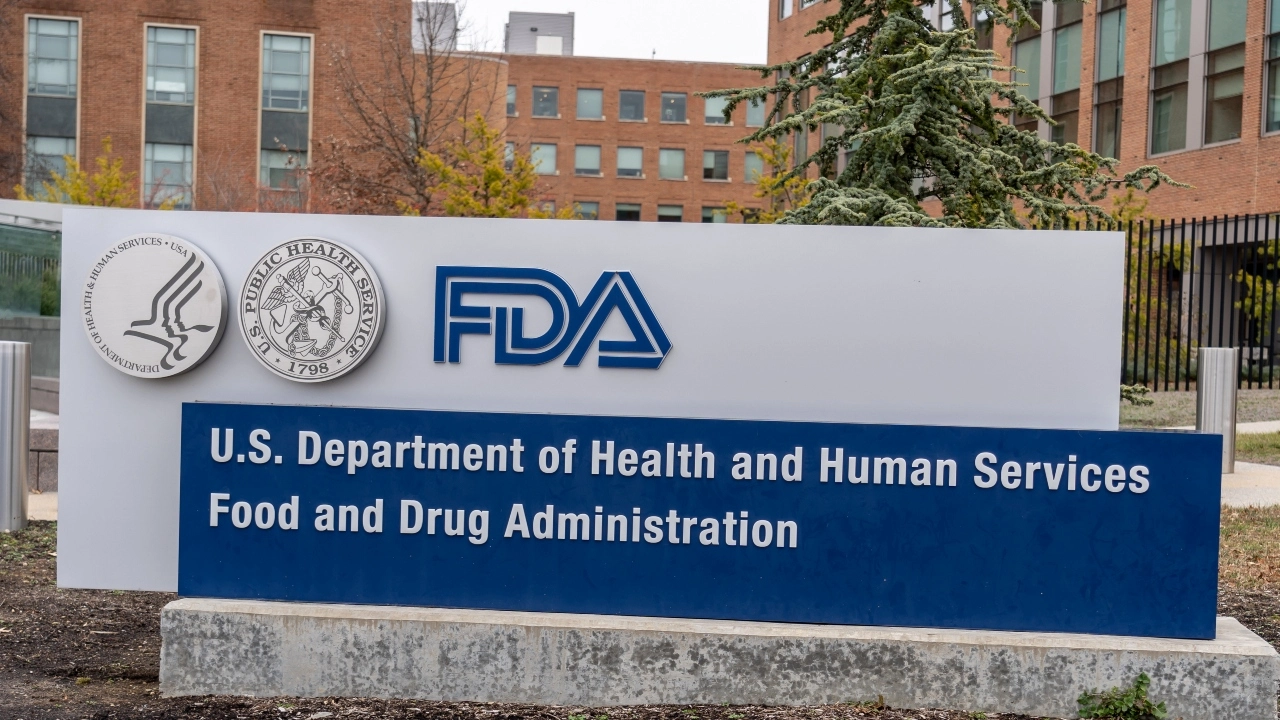
The FDA has not approved cannabis for any use in animals, according to the agency. If CannEpil ultimately wins approval, it would therefore enter largely uncharted territory for cannabinoid-based veterinary medicine.
Why take the FDA veterinary regulatory route for cannabis medicines?
Endovia’s approach illustrates one potential path for cannabis companies seeking to move cannabinoid products into federally regulated pharmaceutical markets.
Marijuana’s Schedule 1 status has historically made research and development difficult to conduct in the U.S. The veterinary route offers an opportunity to advance a cannabinoid compound through a formal FDA process, Cobb said.
Certain animal drugs for serious or life-threatening conditions or unmet health needs can qualify for conditional approval, which allows companies to legally market a drug after demonstrating safety and a reasonable expectation of effectiveness while continuing to collect evidence required for full approval. The pathway can shorten the time to market for eligible drugs.
Endovia’s strategy is to pursue the veterinary market first before expanding CannEpil’s development for human indications, potentially broadening the drug’s commercial market.
“We’re starting with veterinary use and will ultimately pivot to human,” Cobb said.
The FDA has already approved cannabinoid-based medicines for human use.
Epidiolex, a cannabis-derived CBD drug used to treat certain seizure disorders, became the first FDA-approved drug containing a purified drug substance derived from cannabis in 2018. Initially placed in Schedule 5, Epidiolex was later removed from federal drug scheduling and is no longer a controlled substance.
Cobb sees CannEpil eventually competing with Epidiolex as Endovia expands into human medicine.
“(CannEpil) is competition for Epidiolex,” Cobb said.
Some animal-care professionals worry about the regulatory approach and the science behind CannEpil.
Angela Ardolino, a California-based cannabis clinician who works in the holistic pet space, raised doubts about both the FDA veterinary process and the science behind a CBD-forward formulation for pain.
Repurposing a cannabinoid drug originally developed for humans for the animal market is a common pharmaceutical industry practice, she noted.
Ardolino questions the regulatory rigor of the FDA’s veterinary approval process and the therapeutic premise of a CBD-forward formulation for managing pain.
“CBD doesn’t get rid of the pain. THC gets rid of pain,” Ardolino said, arguing that lab-manufactured isolates carry side effects that plant-derived compounds don’t.
What are other animal healthcare experts saying?
Animal drug safety studies can be as short as three months and measure only whether an animal’s health changes over that period – not whether the drug works, Ardolino said.
She also said she’s seen canine pharmaceuticals approved on limited evidence and later accumulate thousands of adverse-event reports.
Opinions differ.
Cathy Alinovi, a former veterinarian who is now a pet healthcare advisor, said many of her clients have had success with over-the-counter CBD products. Having a prescription available isn’t likely to change how her clients approach healthcare for their pets, she said.
“There are good supplements, and there are bad supplements; there are good pharmaceuticals, and there are bad pharmaceuticals that have more side-effect problems,” she said. “There’s no such thing as one size fits all.”
Adam Rosenberg, a partner at plant-based wellness company Vlasic Labs, said FDA-approved cannabinoid formulations are subject to more rigorous testing standards and tighter controls on purity and formulation consistency than products currently on shelves, which are not reviewed by the FDA before they’re sold.
“Regardless of FDA oversight, any company selling CBD holds responsibility for adhering to strict quality standards,” Rosenberg said.
“In the current market, the best way to assess the reliability of each product is through test results and the credibility of the brand selling it.”
Exclusive industry data and analysis to help you make informed business decisions and avoid costly missteps. All the facts, none of the hype. What you will get: Subscribe to the MJBiz Factbook
What’s next for Endovia?
Endovia’s next milestone is to receive conditional approval for CannEpil from the FDA, which Cobb said he expects within six months.
That will allow commercialization to begin in the United States, he said. It opens up licensing opportunities for selling the product as well as strategic partnerships.
The company is also evaluating additional formulation acquisitions, including CannEpil rights in the U.K., Australia and Ireland, and has said it plans to pursue human epilepsy indications in a later phase of the program, Cobb said.
“We’re comfortable that we’ll be able to navigate this market,” Cobb said.
Margaret Jackson can be reached at margaret.jackson@mjbizdaily.com.