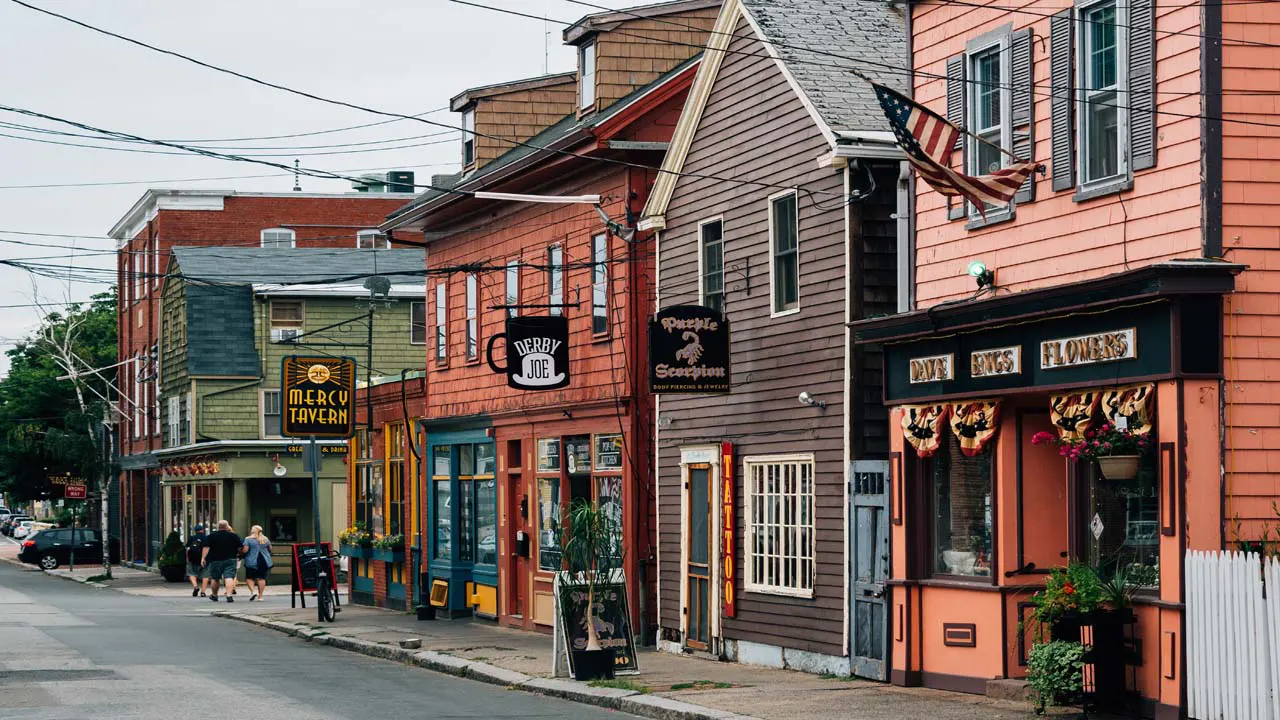
A tony Boston suburb must return more than $2 million in fees collected from three legal cannabis business after failing to demonstrate it properly spent the money.
The city of Newton’s bill to cannabis retailers, which court records show was imposed by a Middlesex Superior Court judge on Tuesday, is the latest example of Massachusetts cannabis businesses challenging localities over “community impact fees” – and winning.
Under so-called “host community agreements,” local governments in Massachusetts collected up to 3% of an adult-use company’s gross sales in the form of a special tax.
However, the money had to be spent on mitigating the effects of cannabis legalization.

Do Massachusetts cannabis stores still owe community impact fees?
Despite a 2022 reform that gave the state Cannabis Control Commission more authority over the fees – and required cities to prove they spent the money correctly – cannabis companies across the state sued, alleging the cities misspent the money.
In Newton, licensed retailers Ascend Wellness Holdings, an Illinois-based marijuana multistate operator, Redi and Garden Remedies filed suit in 2022 after paying a combined $2.4 million, as the Boston Globe reported.
Middlesex Superior Court Judge Asha White found the city “improperly” spent the retailers’ money “unrelated” to cannabis.
That included $71,734 on a police dog with an Instagram account named Officer Leo, according to the Globe.
What did Massachusetts cities spend marijuana fee money on?
Officer Leo,a golden retriever, is not trained to detect narcotics but instead acts as a comfort animal and community liaison, the city of Newton said, according to the Globe.
That failed to please White, who wrote in her ruling that “there is no indication” Leo’s duties “were specifically related to either marijuana, or, more importantly,” the business that sued.
Newton also spent the cannabis fees on street improvements, drug counseling and Narcan kits that the city similarly failed to prove was tied to the cannabis stores.
School officials also tried to convince White that youth usage increased as a result of the cannabis stores’ opening.
According to records, the judge heard testimony from Casey Ngo-Miller, the assistant superintendent of Newton Public Schools, who asserted that “an increased use of cannabis products by students since marijuana establishments opened in the City has been reported to me by the department heads of counseling in both high schools in Newton.”
That statement, contradicted by results from a survey that found “marijuana use had actually decreased among high schoolers in the Newton public school system,” was dismissed as hearsay, records show.
Subscribe to the MJBiz Factbook
Exclusive industry data and analysis to help you make informed business decisions and avoid costly missteps. All the facts, none of the hype.
What you will get:
- Monthly and quarterly updates, with new data & insights
- Financial forecasts + capital investment trends
- State-by-state guide to regulations, taxes & market opportunities
- Annual survey of cannabis businesses
- Consumer insights
- And more!
Why are cannabis stores owed money by Massachusetts cities?
According to White’s ruling:
- Garden Remedies paid $1.7 million
- Redi paid $200,937
- Ascend paid $492,855
A city spokesperson told the Globe that Newton is “reviewing the decision and will consider their legal options,” including an appeal.
Elsewhere in the state, the town of Great Barrington owes $118,000 to a fifth cannabis store that challenged that town’s community impact fee.
According to The Berkshire Eagle, refunds owed to cannabis stores exceed $5.1 million, or about 80% of the total fees paid.
A total of 47 Massachusetts municipalities collected $53.3 million in impact fees from operators between 2018 and 2022, MJBizDaily reported.