
Key points:
- December 11 is when most hemp products are expected to lose federal Farm Bill protections after Congress passed a one-month reprieve.
- Both bipartisan members of Congress, as well as President Donald Trump, support keeping at least some hemp-derived CBD and THC products legal.
- Lobbyists for the state-regulated cannabis industry are vowing to keep the ban intact past the December deadline.
The clock is still ticking for the U.S. hemp industry, but there’s slightly more time before a federal ban takes effect.
December 11 is now the anticipated deadline for when most hemp-derived THC products will lose federal protections after the U.S. House of Representatives on Tuesday passed a bipartisan bill said to be supported by President Donald Trump.

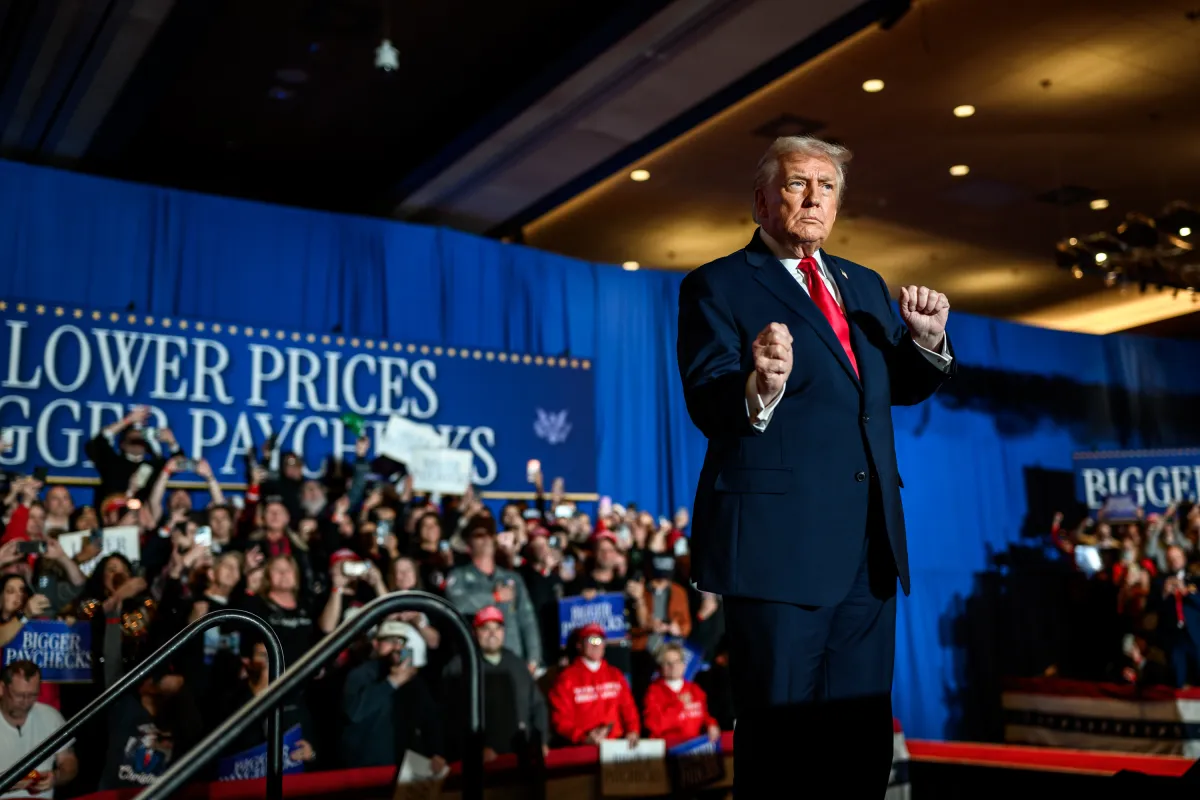
Despite signing a budget bill into law last year that promised to criminalize the estimated $28 billion U.S. hemp industry starting this November, the president is expected to sign the hemp reprieve into law.
“This gives us time to find a long-term solution for our farmers & small businesses,” U.S. Sen. Amy Klobuchar, a Minnesota Democrat and sponsor of a proposal to delay the federal hemp ban that passed the Senate last month, posted on X.
When does a federal hemp ban take effect?
The hemp industry has been operating in a state of heightened anxiety all year long thanks to the looming ban, which Congress passed last year amid vocal criticism of the so-called Farm Bill “loophole” that’s seen intoxicating hemp-derived products proliferate across the country.
Under a spending bill Trump signed into law last year, hemp cannabinoid products with more than 0.4 milligrams of THC per package are Schedule 1 Controlled Substances.
And in an ironic twist, hemp companies are expected to be subject to onerous restrictions, including a ban on interstate commerce as well as federal tax code Section 280E.
Since then, many states have passed their own bans or restrictions on popular hemp-derived THC beverages as well as so-called THCA flower and potent gummies with synthetically derived cannabinoids sold with limited quality control or age restrictions at smoke shops, gas stations and online.
Hemp advocates say they’re also opposed to a freewheeling industry and welcome reasonable regulation.
“The U.S. hemp industry is grateful to the President and large bipartisan majorities in Congress for the lifeline of a 30-day extension,” said Jonathan Miller, general counsel for the U.S. Hemp Roundtable, a major Washington advocacy group.
“Now the important work comes: passing in December robust regulation that cracks down on illicit sales to minors, honors our commitments to farmers, and ensures that safe hemp and CBD products are manufactured for adults, particularly seniors and veterans who rely on them for their health and wellness.”
Does the cannabis industry support the hemp THC ban?
The hemp question has drawn often confusing battle lines in Washington, with lobbies for the alcohol industry – some of which see hemp-derived THC beverages as a welcome revenue stream – coming out in support.
However, this latest development also promises more fighting between advocates in Washington for the cannabis and hemp industries, who continue to see each other as threats rather than friendly competitors.
Subscribe to the MJBiz Factbook
Exclusive industry data and analysis to help you make informed business decisions and avoid costly missteps. All the facts, none of the hype.
What you will get:
- Monthly and quarterly updates, with new data & insights
- Financial forecasts + capital investment trends
- State-by-state guide to regulations, taxes & market opportunities
- Annual survey of cannabis businesses
- Consumer insights
- And more!
“While we’re disappointed, our sights are set on December,” said Chris Lindsey, the vice president of policy and state advocacy at the American Trade Association for Cannabis and Hemp, which has lobbied furiously against any extended lifeline for hemp.
“The loophole empowers bad actors, threatens public health and undermines state regulations,” he added. “We urge Congress to end the scourge of ‘gas station weed.’”
Several bills have been introduced in Congress that would create carveouts for certain products, such as hemp-derived THC beverages.
None have advanced to a hearing.
Chris Roberts can be reached at chris.roberts@mjbizdaily.com.