
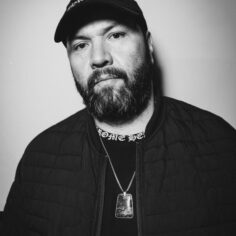
Mario Guzman (Courtesy photo)
Eight minutes. That’s how long New York operators had to apply for the first adult-use cannabis nursery permits earlier this month.
At 10 a.m. on Nov. 5, the state Office of Cannabis Management began accepting applications. By 10:08, OCM announced that its initial limit of 50 had been reached.
For a growing state market replete with in-demand legacy genetics, and one where breeders have had to wait years for a licensing pathway, the window closed almost as quickly as it opened.

In the weeks since, conversations with other bemused applicants only raise questions about how – and why – the process worked the way it did, and whether everyone interested and deserving of running a legal nursery had a legitimate opportunity to participate.

What happened during the New York cannabis nursery license application process?
Nursery license holders can produce, package, label and distribute cannabis seeds, clones and immature plants. The license also covers other agricultural products used for cannabis cultivation.
According to several applicants I spoke to, who were able and ready to apply that morning, even locating the link wasn’t easy. Several wasted valuable minutes searching for the correct portal. Others reported entering the system promptly only to encounter technical difficulties.
Yet others told me they spent about 30 minutes working through the application, only to discover that they could no longer proceed to payment after the window closed.
Subscribe to the MJBiz Factbook
Exclusive industry data and analysis to help you make informed business decisions and avoid costly missteps. All the facts, none of the hype.
What you will get:
- Monthly and quarterly updates, with new data & insights
- Financial forecasts + capital investment trends
- State-by-state guide to regulations, taxes & market opportunities
- Annual survey of cannabis businesses
- Consumer insights
- And more!
And meanwhile, representatives of larger, well-resourced cannabis companies successfully completed their entire applications, including submitting payment, before the eight-minute cutoff.
For now, these are just stories. These accounts have not been independently verified. And there’s no evidence that any applicant acted improperly.
Differences in preparation, staffing, or technical familiarity may explain the varying experiences.
Still, the contrast raises legitimate questions:
- Did entering the application queue before the 10:08 a.m. cutoff guarantee a place among the first 50?
- Was payment required before the limit was reached?
- Were applicants clearly informed that beginning the process did not guarantee an opportunity to finish?
Why cannabis nursery licensing matters
After New York cannabis regulators were flooded with thousands of applications for other license types three years ago – a backlog that the agency was still working through last year – OCM has said this initial limit was a way to manage the volume, with additional rounds planned.
That’s understandable. But greater clarity about how submissions were counted could help address applicants’ concerns, particularly after past controversies.
Nursery licenses are significant and more than just another cannabis business category. Nurseries are where genetics are born. They form the foundation of cultivation. They supply the seeds, clones, and genetic material that build brands, move markets and create culture.
After 25 years cultivating cannabis and 17 years breeding genetics – including developing Sunset Sherbert and the Gelato lineage, I’ve witnessed firsthand how genetics created in small cultivation rooms can eventually influence markets worldwide. I’ve also seen how easily original genetics can become diluted, mislabeled or separated from the breeders who developed them.
Already much later to the legal cannabis game than other states with legacy markets, New York now has an opportunity to build a regulated nursery sector that catches up. The state can emphasize genetic preservation, responsible propagation and agricultural innovation.
With its many famous research institutions, ample financial resources, international connections and developing cannabis market, New York could become the new Amsterdam. It could be the center for cannabis genetics.
All that opportunity means a little transparency in the licensing process especially important.
Does the federal hemp ban outlaw cannabis seeds and genetics?
The timing of New York’s nursery rollout also coincides with significant changes to federal hemp law which in turn are shifting the rules for the cannabis industry.
Cannabis seed breeders seem likely to be restricted by the revisions to the federal definition of hemp scheduled to take effect on Dec. 11.
The new regulations classify seeds based on the THC potential of the mother plant. Genetic material such as seeds and clones are rendered illegal if the final product crosses the 0.3% THC threshold, inclusive of THCA.
Without federal protections, state-regulated nursery programs will become increasingly important for breeding and genetic preservation (although state licenses cannot override federal restrictions on interstate commerce).
More than individual business plans are at risk. Breeders that have spent decades developing genetic libraries and preserving cultivars might see their work disappear – and this after legalization.
What happens to that work if there’s no longer a path to legalization for breeders? Which states will provide the infrastructure necessary to preserve and develop those genetics? From where, in other words, will all the country’s cannabis originate?
Those questions also deserve closer examination.
Who has the best cannabis genetics?
Amid the concerns about New York’s nursery rollout, there were also encouraging developments.
Several groups that successfully submitted applications have already begun reaching out to other breeders and industry participants to explore potential partnerships. That willingness to collaborate reflects an important part of cannabis history.
Genetic innovation has often emerged through relationships between breeders, cultivators, and growers sharing knowledge and plant material.
And Nov. 5 was not the one and only chance. New York does not have statewide license caps, and OCM has indicated that additional opportunities are planned.
Even having a nursery licensing program at all is meaningful progress for an industry seeking greater genetic diversity, innovation and long-term stability.
Still, the eight-minute opening needs some explaining before the next round. A transparent account of how submissions were recorded and what applicants could reasonably expect after entering the portal would build confidence.
The big issue isn’t simply who submitted an application first. It’s whether the process provides a clear and accessible pathway for the people who will help shape the future of cannabis cultivation.
Mario Guzman is a New York-based cannabis breeder and creator of Sunset Sherbert and the Gelato Lineage.