This is part of a regular series of MJBizDaily interviews with major THC industry players. To be considered for an interview, contact editorial@mjbizdaily.com.
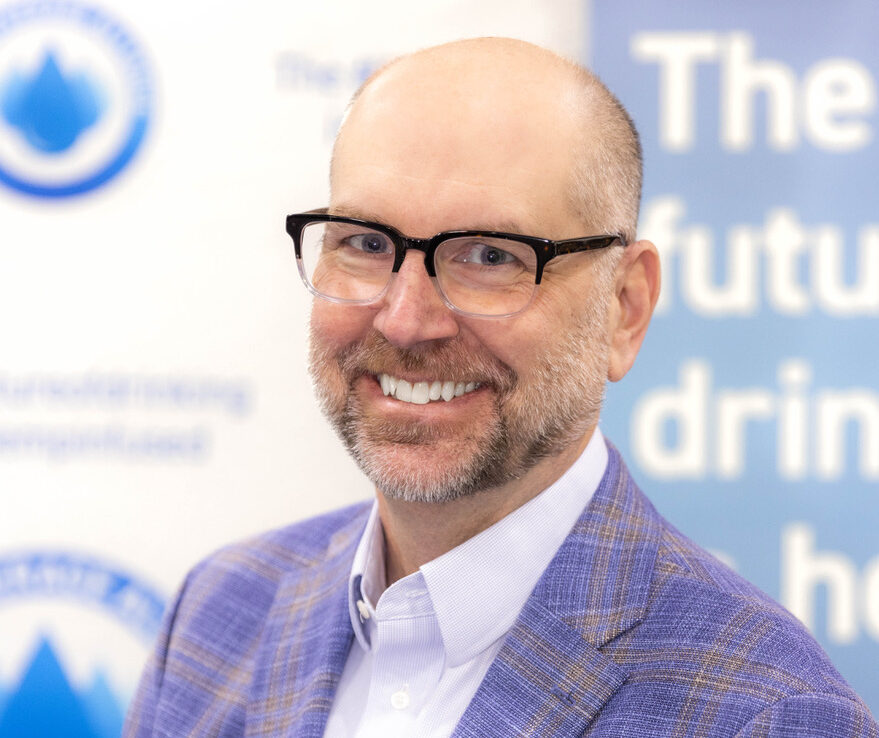
Christopher Lackner is on a mission to save the $28 billion U.S. hemp industry.
With a federal redefinition of hemp set to take effect in November that criminalizes most hemp-derived products, the founder and president of the Colorado-based trade organization Hemp Beverage Alliance is pushing for regulation – or at least a delay.
If he fails, “(b)illions of dollars and thousands of jobs will be wiped off the ledger in one fell swoop,” Lackner told MJBizDaily in a recent interview.

“It’s a huge problem for anyone in this industry that is simultaneously thriving and under threat.”
A ‘bumpy ride’ for the hemp industry’s future
An estimated $1.3 billion hemp beverage industry has flourished nationwide under the 2018 Farm Bill. It now faces an existential threat thanks to a redefinition of hemp President Donald Trump signed into law last fall.
Starting in November, hemp products with more than 0.4 milligrams of THC per container are illegal.
Advocates like Lackner say this threatens to eradicate the entire U.S. hemp industry, including hemp THC beverages as well as CBD products.
Lackner recently traveled to Washington, where he lobbied lawmakers to keep an industry that supports 328,000 jobs alive. He’s calling on Congress to delay the November ban so it can discuss, improve, vote and pass regulatory language.
“For the most part, members of Congress agreed,” Lackner said after his return.
“Our hope is that we can buy more time to grow and create regulations that work for the category,” he said.
“It’s going to be a bumpy ride. Our mantra is to watch the roller coaster, don’t ride the roller coaster. The twists and turns and changes can stress you out.”
From policy curiosity to industry leadership
Lackner didn’t set out to be a champion of cannabis.
“I was never an enthusiast of the plant,” he said. “But from a policy perspective, it was fascinating to see a new category sprout from nothing.”
Lackner’s interest in cannabis began in 2015, when he started exploring regulatory frameworks needed to support the emerging industry.
His early work as vice president of public affairs for a Colorado CBD extraction company gave him a front-row seat to the industry’s rapid evolution. It was during that time that he noticed a shift in consumer behavior away from alcohol and toward functional beverages, including CBD-infused drinks.
But the road wasn’t always smooth. When the COVID-19 pandemic hit, the CBD market experienced a downturn.
Undeterred, Lackner co-founded a CBD beverage company in New York.
“We didn’t know what we were doing,” he said. “We called competitors, and they didn’t know what they were doing either.
What started as a twice-monthly call among eight brands to share insights and solve problems eventually grew into the Hemp Beverage Alliance, a 375-member trade organization that’s helping to shape a burgeoning industry.
“I became the founder of the HBA because I was the organizer of the Zoom call,” Lackner said. “Even after I sold my stake in the company, people kept coming to me because I was the organizer.”
Destigmatizing cannabis through hemp beverages
Lackner sees hemp-derived THC drinks as a way to normalize marijuana and bridge the gap between traditional retail and cannabis shops.
“Hemp beverages are an easy introduction to the cannabinoid in ways that people are already comfortable with,” he said.
“My father would never go to a dispensary, but he’d feel comfortable buying a hemp beverage at a liquor store or grocery story because that’s a trusted source. That might lead him to understanding THC and eventually visiting a dispensary.”
Normalization benefits both the hemp and marijuana industries. Brands like Uncle Arnie’s, which offer high-THC products in cannabis retail shops and lower-potency options in liquor stores, exemplify the potential for cross-market synergy.
“The more we bring hemp beverages into the public square or the larger commerce outside of the dispensary, less stigmatized cannabis becomes,” Lackner said.
Hemp beverages designed for ‘mild amusement’
Hemp beverages are not about getting high, Lackner insists. Instead, the promise is a flavorful, low-calorie and low-THC alternative to beer, wine and hard seltzers.
“Our products are on the shelves of liquor stores, age-gated for 21-plus consumers,” he said.
The typical hemp beverage consumer is older, often female and looking for an alcohol alternative, he said.
Innovation in the space is thriving, with products ranging from cold brew coffees infused with hemp-derived THC to botanical spirit analogs for cocktail mixology.
“We’ve only scratched the surface of what this category can do,” Lackner said. “The demand is growing, and it’s correlating with people rethinking their alcohol consumption.”
Subscribe to the MJBiz Factbook
Exclusive industry data and analysis to help you make informed business decisions and avoid costly missteps. All the facts, none of the hype.
What you will get:
- Monthly and quarterly updates, with new data & insights
- Financial forecasts + capital investment trends
- State-by-state guide to regulations, taxes & market opportunities
- Annual survey of cannabis businesses
- Consumer insights
- And more!
Although hemp THC beverages are produced from cannabis plants, the industry aligns more closely with the adult-beverage world than with marijuana, Lackner said.
“They do not do well in dispensaries,” he said. “These are low-dose products that are sessionable, provide mild amusement and are really an alternative for beer, wine and hard seltzer. The consumer is the adult alcohol consumer who is looking for something new.”
Margaret Jackson can be reached at margaret.jackson@mjbizdaily.com.