This is part of a regular series of MJBizDaily interviews with major THC industry players. To be considered for an interview, contact editorial@mjbizdaily.com.
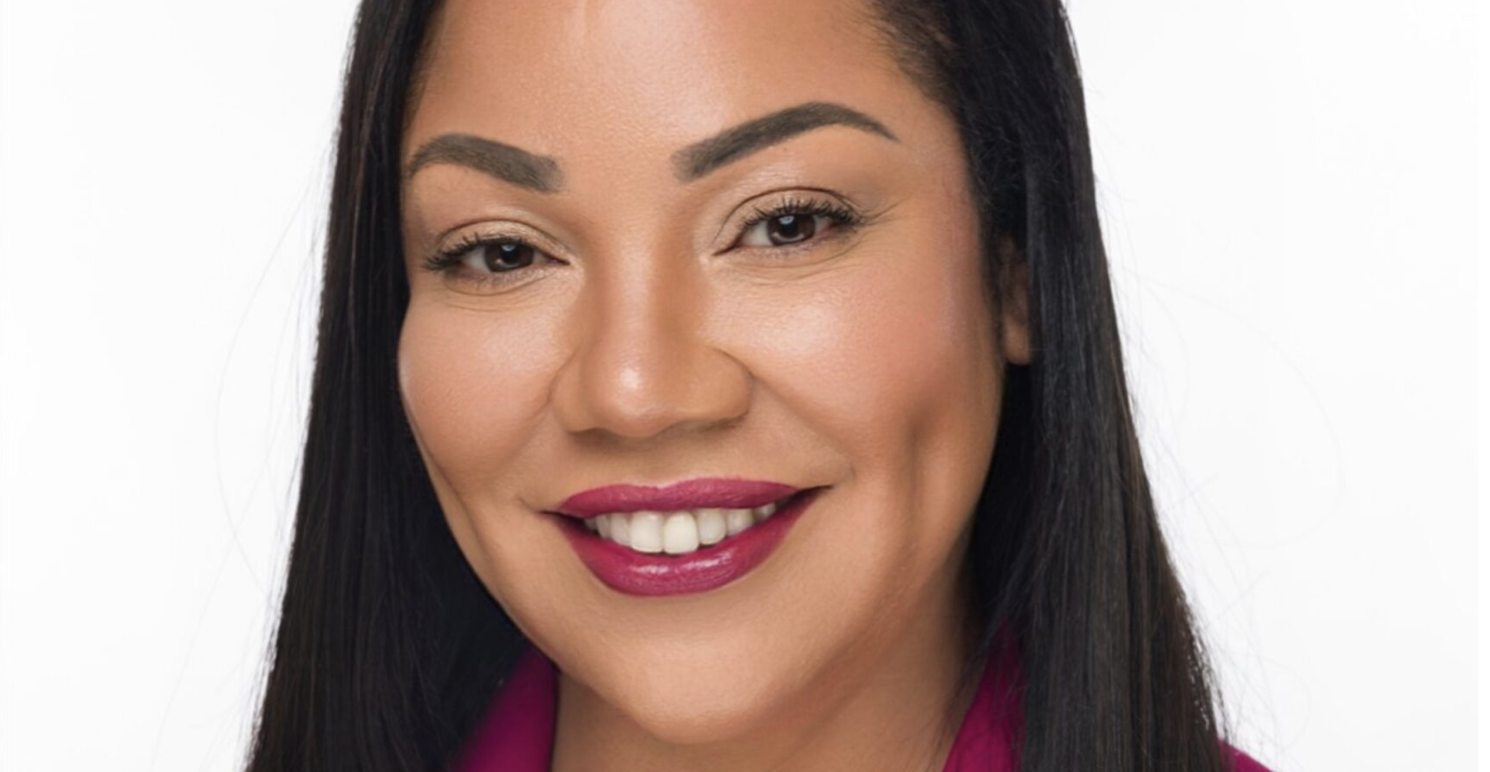
For Chanda Macias, the future of medical cannabis looks less like a state-regulated dispensary and more like a federally licensed pharmacy.
The CEO of National Holistic Healing Center, a licensed medical cannabis dispensary in Washington, D.C., is preparing for what she believes will be more healthcare-driven era. Budtenders will function more like pharmacy technicians, managers will run stores with pharmacy-style controls and manufacturers and cultivators will operate closer to pharmaceutical standards.
That shift is accelerating following the U.S. Justice Department’s reclassification of state-licensed medical marijuana from Schedule 1 to Schedule 3 of the Controlled Substances Act.

That change promises to reduce federal tax burdens, but Macias believes it will also eventually impose new compliance requirements on state-regulated medical operators.
“We’re in the midst of bringing all of our standards up to pharmacy standards,” Macias told MJBizDaily.
What does the future of medical marijuana look like?
Macias, who has a Ph.D. in cellular biology from Howard University and a background in cancer research, has long positioned medical cannabis as part of healthcare rather than conventional retail.
She has expanded her medical cannabis work internationally, including into Germany, where she has good distribution practice (GDP) authorization that allows her to distribute medicinal products there and across Europe.
In her view, U.S. medical cannabis is in the process of looking more European. That will include higher expectations for patient privacy, recordkeeping, product consistency, staff training and manufacturing and distribution controls seen in regulated pharmaceutical supply chains.
Manufacturing and cultivation will require cannabis-specific standard operating procedures. But for now, Macias is ensuring her business complies with U.S Food and Drug Administration good manufacturing practice (GMP) and good distribution practice (GDP) principles — well before any statutory requirements to do so.
“The current discussion is not about creating GMP or GDP standards,” she said. “Rather, it is about adapting these existing pharmaceutical standards to cannabis as it transitions from a botanical product into a regulated medicinal product.”
“The pharmaceutical infrastructure already exists; the industry is adapting it to accommodate cannabis,” she said.
For retail, she is looking at pharmacy rules, patient intake, privacy protections and the possibility that cannabis patients eventually will expect the same clinical guidance they receive for other medicines.
“The product mix is less about brand and more about the ingredient composition,” said Macias, who will be among the speakers at MJBizCon Dec. 1-4 at the Las Vegas Convention Center.
Physicians could prescribe either a standardized formulation or a specific branded product. The prescription could specify cannabinoid composition, dosage strength, dosage form or an approved branded product based on the patient’s clinical needs, she said.
Will marijuana rescheduling make cannabis business regulations more stringent?
Despite the ability to register with the U.S. Drug Enforcement Administration, federal marijuana rescheduling does not automatically make cannabis simple for medical operators.
Macias, who has registered with the DEA, expects more oversight.
National Holistic Healing Center operates under HIPAA compliance requirements, and its software is HIPAA certified. Since dispensaries collect sensitive information about medical conditions, qualifying illnesses and patient outcomes, Macias believes medical operators should already be treating patient information with HIPAA-level care.
Under Schedule 3 environment, she expects those standards to become more explicit, including illnesses, conditions and treatments in patient records.
That shift could ripple through the software vendors and ancillary companies serving medical cannabis retailers. Macias said many technology providers are trying to determine how to support patient records, outcome tracking and compliance in a way that meets the expectations of a more medicalized cannabis system.
“A lot of software companies have been scurrying to figure out how to get that compliance,” she said.
She also expects state regulators to align more closely with federal law rather than maintain divergent rules that could create an enforcement risk for multistate operators.
“States should fall directly under federal compliance and follow it exactly,” she said.
How will the medical marijuana dispensary model change?
One of Macias’ biggest bets is that medical cannabis businesses will need more formally trained clinicians and pharmacy professionals. States that already mandate pharmacists to be present in medical marijuana dispensaries include Arkansas, Connecticut, Minnesota, New York and Pennsylvania, but that need could grow.
To meet that need, she is building a pharmacist training program with Howard University and the Society of Cannabis Clinicians. The planned curriculum includes 13 modules covering the endocannabinoid system, women’s health, pain, multiple sclerosis and the interaction between cannabinoids, terpenes and diseases.
The goal is to help pharmacists translate their existing clinical education into cannabis care rather than treat cannabis as an entirely separate body of knowledge.
“It’s not necessarily a separate education,” Macias said. “It’s explaining how the existing pathways are impacted in women and men when they go through different health conditions.”
Menstrual pain, endometriosis, menopause symptoms, inflammation, sleep and anxiety are examples of conditions where pharmacists could help patients understand low-dose cannabis products and individualized treatment plans.
A low-dose regimen, such as 2.5 milligrams of THC with 5 mg of CBD, is the kind of product that could be discussed in a medical context without producing an intoxicating effect for many patients, she said.
When will Big Pharma get involved in medical cannabis?
Insurance reimbursement is one of the biggest barriers separating cannabis from mainstream medicine in the United States. Macias sees Germany as a preview of what could come next.
Her company entered the German market in 2024. There, with medical cannabis legal nationally, healthcare coverage is possible for some cannabis medicines.
Macias expects a similar trend in the United States if federal rules create a clearer pathway for medical cannabis products to be treated more like reimbursable medicine.
But the move could also attract pharmaceutical companies that have the capital and compliance infrastructure to operate under tighter federal rules. That could create an opportunity for small medical licensees – or intensify competitive pressure.
“Big Pharma is already gearing up,” Macias said. “I just hope they work with some of the small businesses that need them to survive this industry.”
What should medical marijuana dispensaries be doing to prepare?
Macias’ advice for medical cannabis operators is to wait for final federal guidance but begin mapping the gaps right now.
Retailers should review state pharmacy rules and determine what would be required to run a dispensary more like a pharmacy. Manufacturers should consider what it would take to convert facilities to the FDA’s GMP standards, while distributors should evaluate whether their licenses and operating procedures can meet stricter pharmaceutical-style requirements.
Macias does not expect the transition to happen overnight. She anticipates a phased approach that could accelerate consolidation as some operators struggle to finance facility upgrades, compliance systems and clinical staffing.
“There’s going to be a mass consolidation,” she said. “It’s not going to be from an MSO standpoint. It’s going to be from a pharmaceutical standpoint.”
That could mean a major shift for medical operators. Botanical cannabis like flower and prerolls may not be eligible for reimbursement.
Subscribe to the MJBiz Factbook
Exclusive industry data and analysis to help you make informed business decisions and avoid costly missteps. All the facts, none of the hype.
What you will get:
- Monthly and quarterly updates, with new data & insights
- Financial forecasts + capital investment trends
- State-by-state guide to regulations, taxes & market opportunities
- Annual survey of cannabis businesses
- Consumer insights
- And more!
And rather than marketing primarily around brands, flavors or general effects such as sleep or relaxation, Macias expects medical cannabis products to be discussed more by ingredient composition, dose and intended use – closer to how physicians prescribe medicine.
That would mark a shift for dispensaries.
In a more medicalized model, Macias said, physicians and pharmacists would help tailor cannabis use to a patient’s condition, dose and schedule.
“Cannabis is about to be about healthcare,” she said.
Margaret Jackson can be reached at margaret.jackson@mjbizdaily.com.
As the market evolves, these conversations will carry over to MJBizCon, where operators gather to assess risks, opportunities and next steps. Register for the conference here.