
- Competing on price is a race to the bottom cannabis retailers can’t win.
- Cannabis retailers can’t use traditional advertising channels to boost customer traffic and generate revenue.
- As a result, some cannabis retailers are creating community-centered programming.
Competing solely on price is becoming increasingly difficult for cannabis retailers as markets mature and prices decline, squeezing margins. But since advertising bans limit how operators can attract new customers, discounting remains a necessary tool for many retailers but not a sustainable long-term strategy.
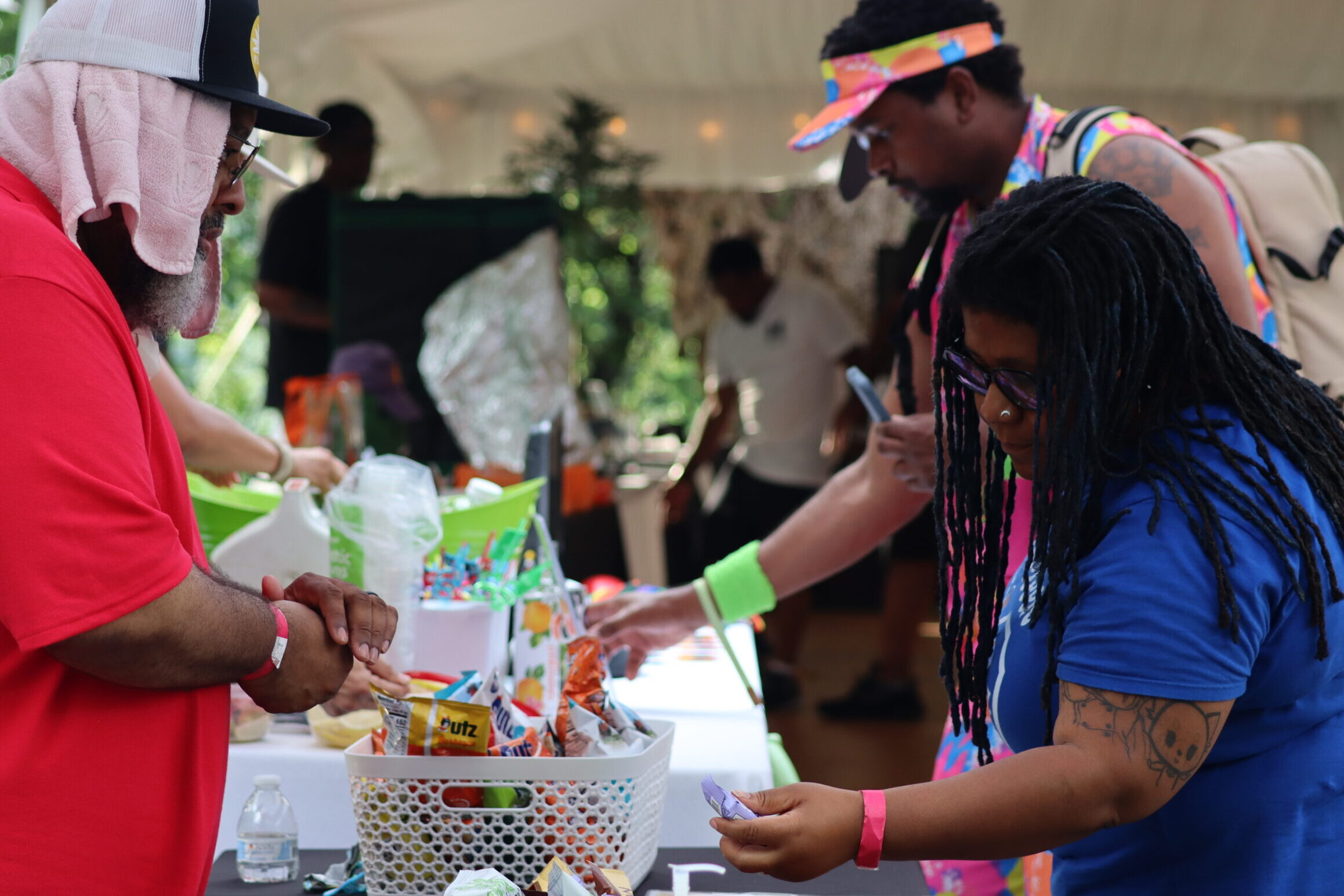
In response, some operators are shifting their focus toward community engagement. From yoga classes and educational workshops to movie nights and workforce development programs, cannabis retailers are investing in experiences that bring customers back for reasons beyond price.
The move toward community engagement reflects a broader shift in cannabis retail strategy, operators and observers say.

While medical cannabis-era dispensaries often emphasized wellness and education, today’s operators are revisiting those models. But this time, under different conditions, tighter margins, increased competition, and limited marketing channels.
For retailers looking to remain competitive, the takeaway is straightforward: price alone is no longer enough. Instead, cannabis retailers are investing in something more durable. Community-driven experiences that build loyalty, increase retention, and create long-term value.
How cannabis retailers can move past the discount model
For independent operators, price competition can quickly turn into a dead end.
“The Maryland market is still evolving rapidly, and with multi-state operators continuing to enter the space, competing solely on price is a race to the bottom that no local independent dispensary wins,” said Kevin Johnson Jr., CMO of Peake ReLeaf, a Rockville, Maryland-based cannabis retailer.
Knowing they can’t use paid digital advertising like mainstream businesses, Kevin sees community engagement as the best way to get Peake’s name out there.
“Because we can’t just buy our way to the top of a social media feed, our community engagement and owned media have become our strongest competitive moats,” he said.
This shift is pushing operators to invest in strategies that build brand power over time, rather than relying on short-term promotions.
What is cannabis community programming?
Community programming refers to structured, repeatable experiences that extend past the retail transaction.
At Lit New Haven in Connecticut, that includes a mix of wellness, education, and social programming designed to meet different community needs.
“Community programming, for me, is purpose in action,” founder Kebra Bolden said.
“It’s anything that adds value beyond the transaction.”
Lit New Haven hosts a regular calendar of events, including mental health discussions, financial literacy workshops, yoga sessions, karaoke nights and vendor markets that support local entrepreneurs.
Consistency plays a central role in the strategy.
“People want more than a place to shop,” Bolden said. “They want a place where they feel seen, safe, and connected.”
Cannabis sales is about relationships, not transactions
One of the primary benefits of community programming is its impact on customer retention.
“When people see that you genuinely care about the same issues they do, it shifts the relationship from transactional to relational,” Peake ReLeaf’s Johnson said.
“Our community-driven initiatives directly fuel our loyalty program sign-ups and drive consistent, localized foot traffic.”
Customers who engage with events and content tend to deliver stronger long-term value.
“They visit more frequently and their average order value tends to be higher,” he added. “More importantly, they transition from being just consumers to becoming brand advocates.”
That type of engagement is difficult to replicate through discounting alone.
How community partnerships are more affordable than advertising campaigns
Many community activations are executed through partnerships, making them more affordable than expensive marketing campaigns in traditional media like television or billboards.
At Lit New Haven, collaborations with local educators, therapists, and small businesses are central to programming.
“Partnerships are everything,” Bolden said. “We collaborate with local leaders, small businesses, therapists, educators, and community organizations.”
Peake ReLeaf follows a similar model, combining in-house content with external collaborations. The company produces its own educational programming while also supporting local initiatives and advocacy efforts.
“We provide the platform and the resources, but we let the community lead the conversation,” Johnson said.
For Peake that means working with groups like Last Prisoner Project, supporting events like HBCUCon, participating in local Pride events in Rockville and working with local agriculture initiatives like Baltimore Vertical Farming Association.
This approach allows operators to scale engagement while sharing the operational and financial load.
How can cannabis retailers expand their customer base?
Community-driven events can also help dispensaries reach new audiences.
Kerba said programming like their weekly happy hour, monthly movie nights, regularly attracts individuals who may not otherwise visit a dispensary.
“We’ve brought in people who have never stepped foot in a dispensary before,” she said. “Some came for a yoga class, a community conversation, or a vendor event, and ended up becoming customers.”
Experiences like these can go a long way to help reduce stigma and create more accessible entry points for cannabis education and retail for those who are new to the plant.
What’s a cannabis retailer’s return on investment for community?
While community programming requires time and resources, both operators say the return is measurable and long-term.
“If a massive discount drives a one-time spike in sales but zero long-term retention, it’s a loss,” Johnson said. “If a community event breaks even on the day but secures a customer who shops with us for the next three years, that’s the win.”
Bolden views the investment similarly.
“Community programming drives engagement, and engagement drives business,” she said. “It’s not an expense, it’s an investment.”
Community and compliance for cannabis retailers
For operators considering similar strategies, Bolden and Johnson emphasize that success depends on authenticity and alignment with community needs.
“Start by listening,” Johnson said. “Look at your immediate geographical footprint and identify the grassroots organizers and advocates who are already doing the work.”
Bolden added that differentiation requires more than pricing strategies.
“Stop leading with price and start leading with purpose,” she said. “If your only strategy is to be cheaper, you’re replaceable.”
Operators must also navigate compliance requirements, particularly when hosting events in regulated environments. These constraints can be managed with proper planning.
“You have to be thoughtful in how you execute them,” Bolden said.
“We’ve learned how to stay within the lines while still showing up in a way that is authentic, engaging, and impactful,” she added. “You don’t have to choose between compliance and community.”
“You can do both well.”