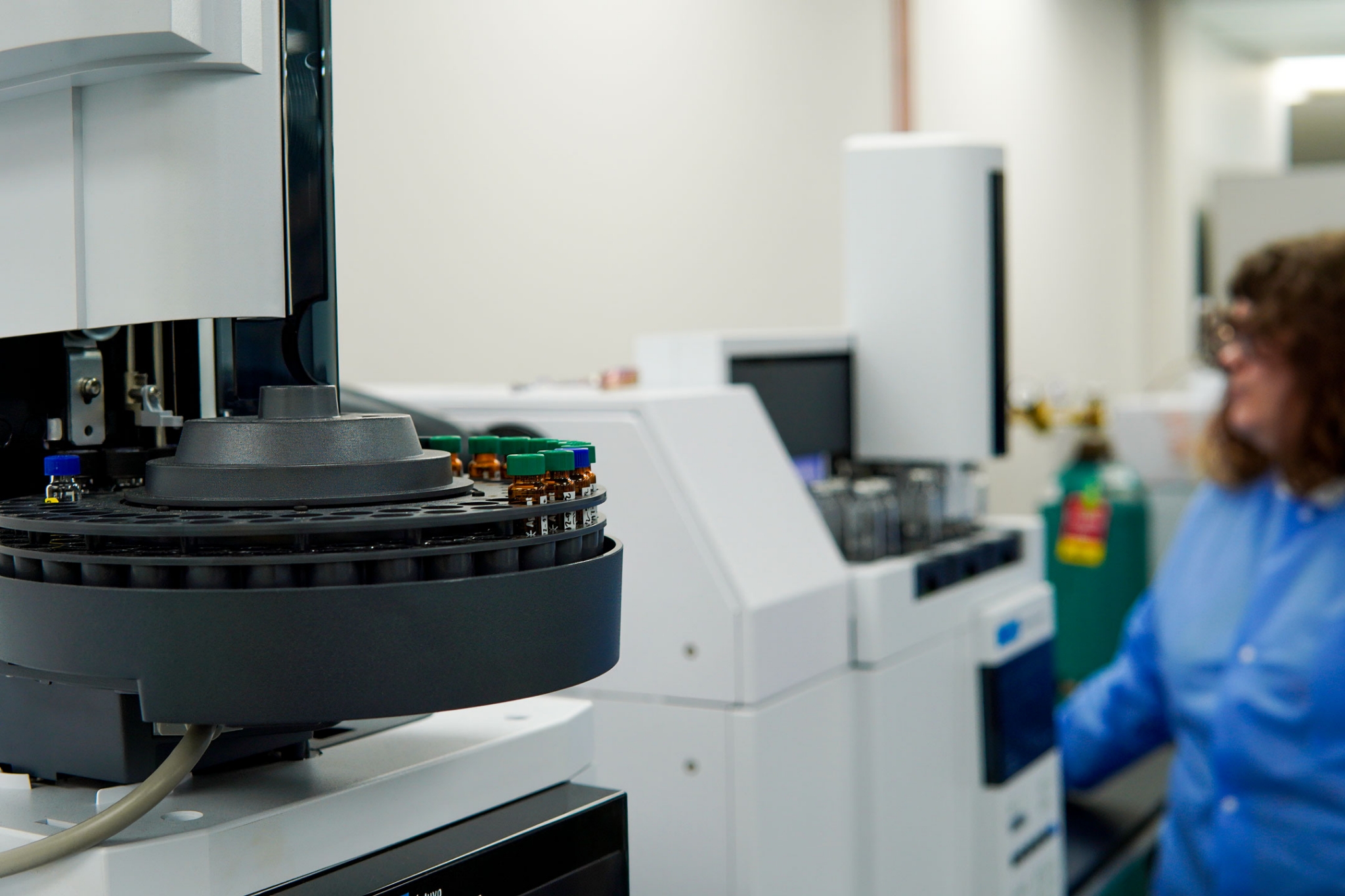
Assessed the heaviest fine levied against an Arizona cannabis testing laboratory last year, a Florida-headquartered national chain of commercial cannabis testing laboratories is continuing to break the rules.
That’s according to state inspections of Kaycha Labs, which state regulators in 2025 fined $88,500 for certain violations of state rules that more recent inspections earlier this year discovered yet again, according to the Arizona Republic.
It’s unclear what further penalties may be assessed.
It’s also unclear why the lab appears to be getting away with committing the same transgressions that many critics nationwide say are jeopardizing public safety and undermining trust in cannabis industry safety and potency claims.

The lab has only paid half the original 2025 fine, according to the newspaper.
Are state regulators punishing problem cannabis testing labs?
According to the Republic, state Department of Health Services inspectors visited Kaycha’s Tempe lab in June.
At that time, they discovered a “dilution problem” with THC potency tests that would have “skewed results,” the newspaper reported.
That followed a November 2025 inspection in which state authorities discovered elevated levels of a pesticide.
A recall the next month cited “failed testing for the pesticide,” the Republic reported.
And all that came on the heels of an April 2025 finding of more than a dozen alleged “deficiencies,” including problems with the lab’s potency testing and pesticide and microbial detection methods.
Is Kaycha Labs a trustworthy cannabis testing lab?
Arizona regulators have found fault with Kaycha about a half-dozen times now.
Several alleged violations noted by Arizona’s Department of Health Services (DHS) in its April 2025 “report of findings” were “double repeat findings” also cited by the agency during inspections in 2023 and 2024, according to violation notice.
Among Arizona’s DHS findings were that Kaycha:
- Kept incomplete or “inconsistent” records for the collection and transportation of samples.
- Reran potency sampling “per client request, without a scientifically valid reason to do so,” and used a separate “method file” from other samples to process the unidentified client’s product. Those retests were “biased high.”
- Used a “limit of quantification” in lab tests for pesticides and mold that was “25 times the (maximum allowable concentration)” under state law.
- “(D)id did not maintain a log for all samples that tested ‘Detected’ for Aspergillus and Salmonella.”
- Used a dilution factor for detecting pesticides that would have allowed tainted product to pass testing and be sold.
Are cannabis regulators cracking down on problem testing labs?
Untrustworthy cannabis testing lab results has been a major problem in the legal industry across the country for years.
According to critics, labs are pressured by the market to deliver favorable results to clients who run licensed cultivation or manufacturing operations. Those operators in turn claim they can’t sell to retailers without favorable potency results.
As the Republic noted, Kaycha claims to be “the largest Multi-State operator in the cannabis testing industry,” with locations in nine states.
Subscribe to the MJBiz Factbook
Exclusive industry data and analysis to help you make informed business decisions and avoid costly missteps. All the facts, none of the hype.
What you will get:
- Monthly and quarterly updates, with new data & insights
- Financial forecasts + capital investment trends
- State-by-state guide to regulations, taxes & market opportunities
- Annual survey of cannabis businesses
- Consumer insights
- And more!
Meanwhile, labs are exiting the cannabis industry in Arizona.
There are seven labs licensed to test cannabis in the state as of the most recent state Department of Health Services data available, down from 11 as of mid-2025.