
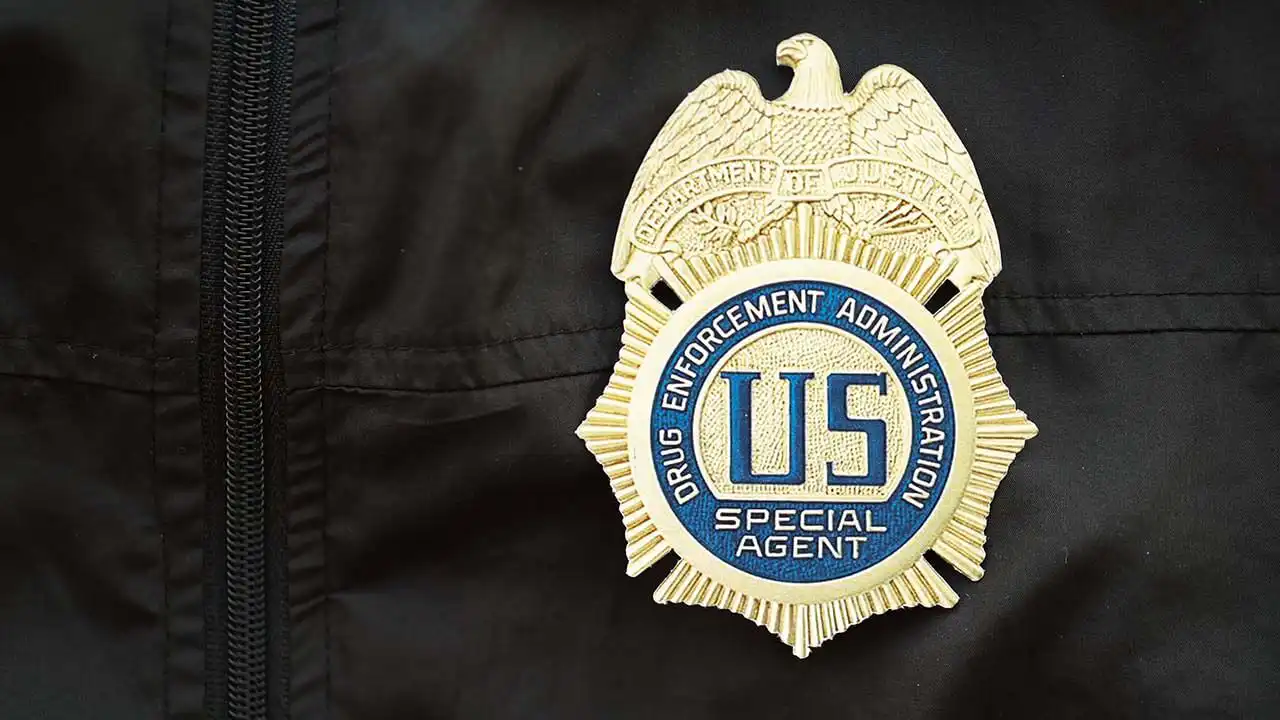
The U.S. Drug Enforcement Administration has issued federal registration to “more than 900” medical cannabis dispensaries in seven states, federal officials said Friday.
It’s “the first phase” of major changes for medical marijuana operators in the legal U.S. industry following the Trump administration’s April reclassification of medical cannabis as a Schedule 3 drug, the Justice Department said.
“The regulated distribution of medical marijuana by the applicants that have been granted registration by the Drug Enforcement Administration will help ensure broader access to chronic pain treatment and the safety of the American people,” U.S. Attorney Todd Blanche said in a statement.
However, the DOJ “will continue prosecuting illegal marijuana trafficking and related criminal activity,” Blanche added.

“(M)arijuana not covered” by the April rescheduling order, which applied to state-licensed medical cannabis operators, “remains subject to Schedule 1 controls,” the DOJ said Friday.
Adult-use cannabis remains a Schedule 1 drug pending the outcome of a separate process with no clear timeline.
And in separate guidance, the DEA warned medical cannabis operators to “establish compliant supply chains” by November 29.
What medical cannabis operators are registered with the DEA?
Federal officials did not name any businesses or operators, but said the DEA is “moving forward” with issuing registration to complying state-licensed medical cannabis operators in:
- Alabama, where just a handful of operators are in business
- Florida, the country’s largest medical-only market where most major cannabis MSOs have a large presence
- South Dakota
- Texas, where MMJ greatly expanded under a law passed last year
- Virginia, where only five MMJ companies are in operation ahead of the launch of adult-use sales next year
- West Virginia, home to a relatively modest market
The DEA’s forward movement “is a tremendous victory for patient access,” said Steph Sherer, executive director of MMJ patient advocacy group Americans for Safe Access.
“For the first time, the federal government is recognizing and registering the medical cannabis dispensaries that patients fought to establish,” Sherer said in a statement Friday.
Are medical marijuana operators without DEA registration compliant?
It was not immediately clear Friday what benefits registered businesses will enjoy – or what problems unregistered businesses will encounter.
However, in separate guidance, the DEA warned that operators who either received registration or applied in a 60-day window that closed June 26 “may not lawfully engage in any schedule III medical marijuana activities with entities” who did not apply, “until those entities become DEA registrants.”
Uncertain operators should ask “trade partners” if they applied, and receive copies of their applications as proof, the DEA said.
Exceptions will be granted for operators who deliver “de minimus” quantities of cannabis to state-licensed laboratories that still lack DEA registration, according to the guidance document.
Operators who submitted applications before the June 26 deadline “are expected to complete these activities and establish compliant supply chains no later than November 29, 2026,” the DEA said.
Registrants or applicants whose registration is still pending who do business with an unregistered entity, or one that did not apply, could see their application denied or their registration revoked, the DEA said.

What medical cannabis operators received DEA registration?
The 900 “(i)nitial registrations” were issued to dispensaries that could “satisfy applicable federal requirements,” and who applied during an initial 60-day window that closed in late June the DOJ said.
Those included submitting employee information and a “pre-registration investigation” by DEA agents.
More registrations could be forthcoming soon. The DEA is continuing to process applications from both dispensaries as well as medical cannabis manufacturers and processors, the DOJ said.
“Those applications require additional review, including facility inspections, production controls, and quota determinations,” the DOJ added.
Chris Roberts can be reached at chris.roberts@mjbizdaily.com.